RESERVASDELIGHTPERUTRAVEL@GMAIL.COM
ABOUT INCA TRAILS TREK TO MACHU PICCHU 4 +2 DAYS + OTHERS TRAILS
per person
INCA TRAIL MACHUPICCHU 4 DAYS, MORE INFORMATION The 4-day Inca Trail to Machu Picchu is one of the most popular trekking routes in the world, and is considered the most traditional and authentic way to reach Machu Picchu. This 4-day trek crosses mountains, valleys, and Inca archaeological sites and ends at the famous Machu Picchu Citadel. Here are more details about the experience: How many days does the trek last? There are several options, but the most popular trek lasts 4 days and 3 nights. There is also a short…
INCA TRAIL MACHUPICCHU 4 DAYS, MORE INFORMATION
The 4-day Inca Trail to Machu Picchu is one of the most popular trekking routes in the world, and is considered the most traditional and authentic way to reach Machu Picchu. This 4-day trek crosses mountains, valleys, and Inca archaeological sites and ends at the famous Machu Picchu Citadel. Here are more details about the experience:
How many days does the trek last?
There are several options, but the most popular trek lasts 4 days and 3 nights. There is also a short version of 2 days and 1 night.
Location and Route of the Inca Trail
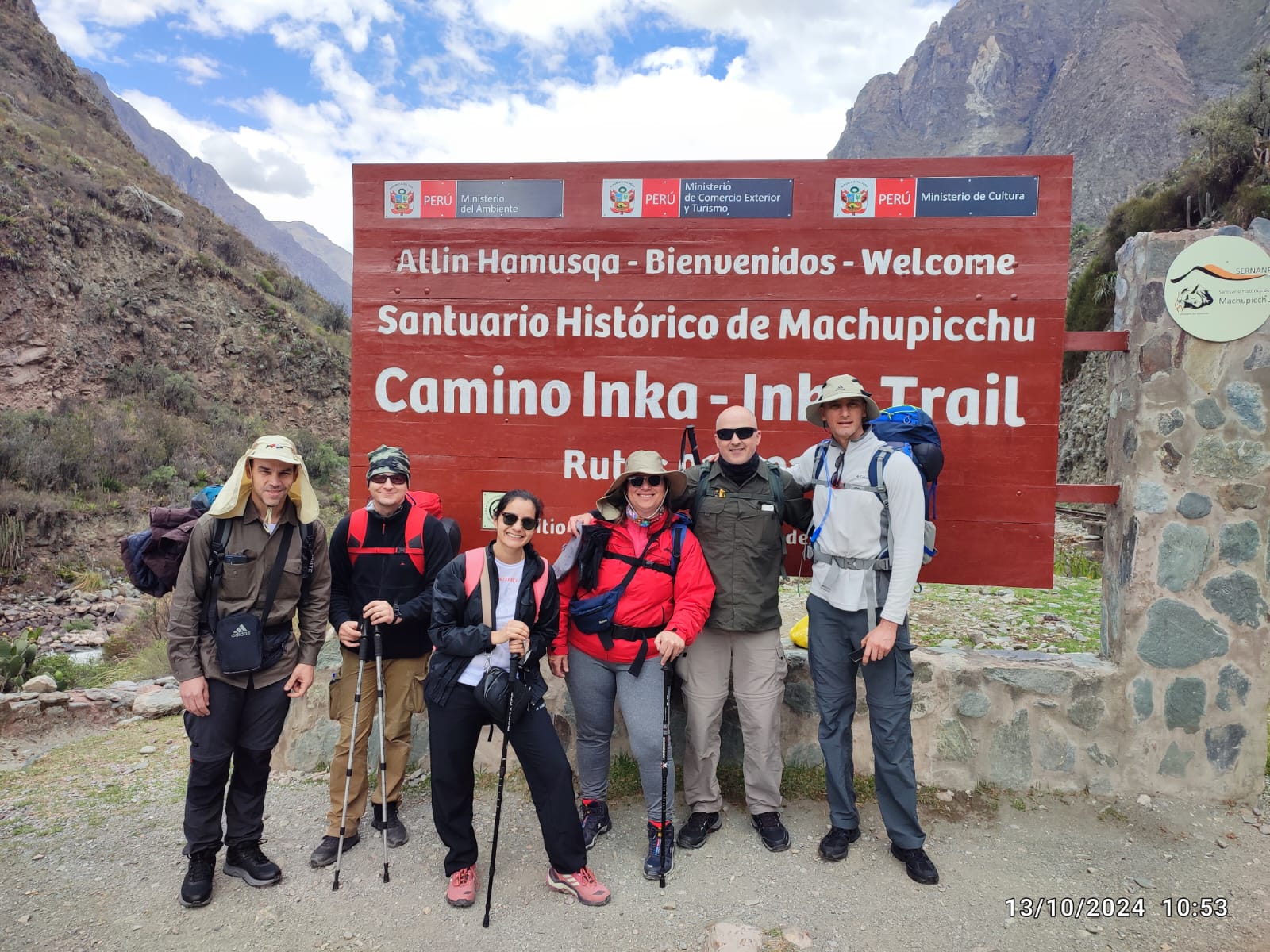
Starting point: The classic 4-day trek starts at kilometre 82 on the train line from Cusco to Aguas Calientes, near the village of Ollantaytambo in the Sacred Valley.
Route: The 43-kilometre (26-mile) hike passes through a range of ecosystems, including Andean mountains and high altitude jungle. It crosses several Inca archaeological sites, such as Llactapata, Runkurakay, Sayacmarca and Wiñay Wayna, among others.
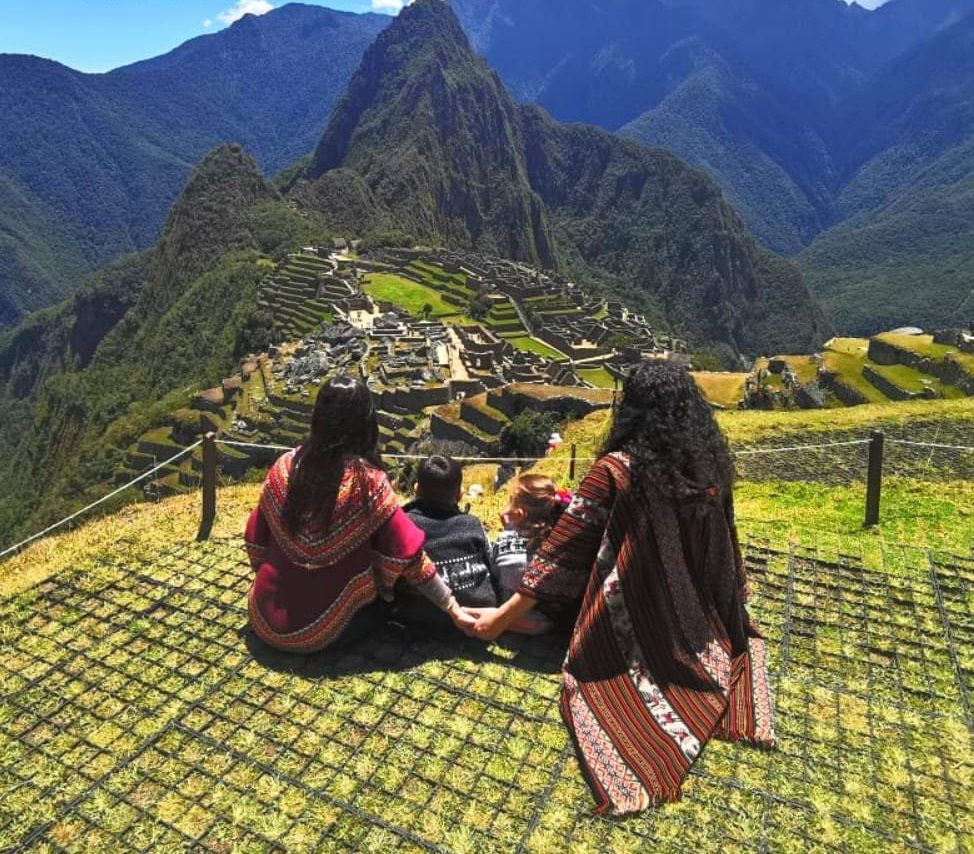
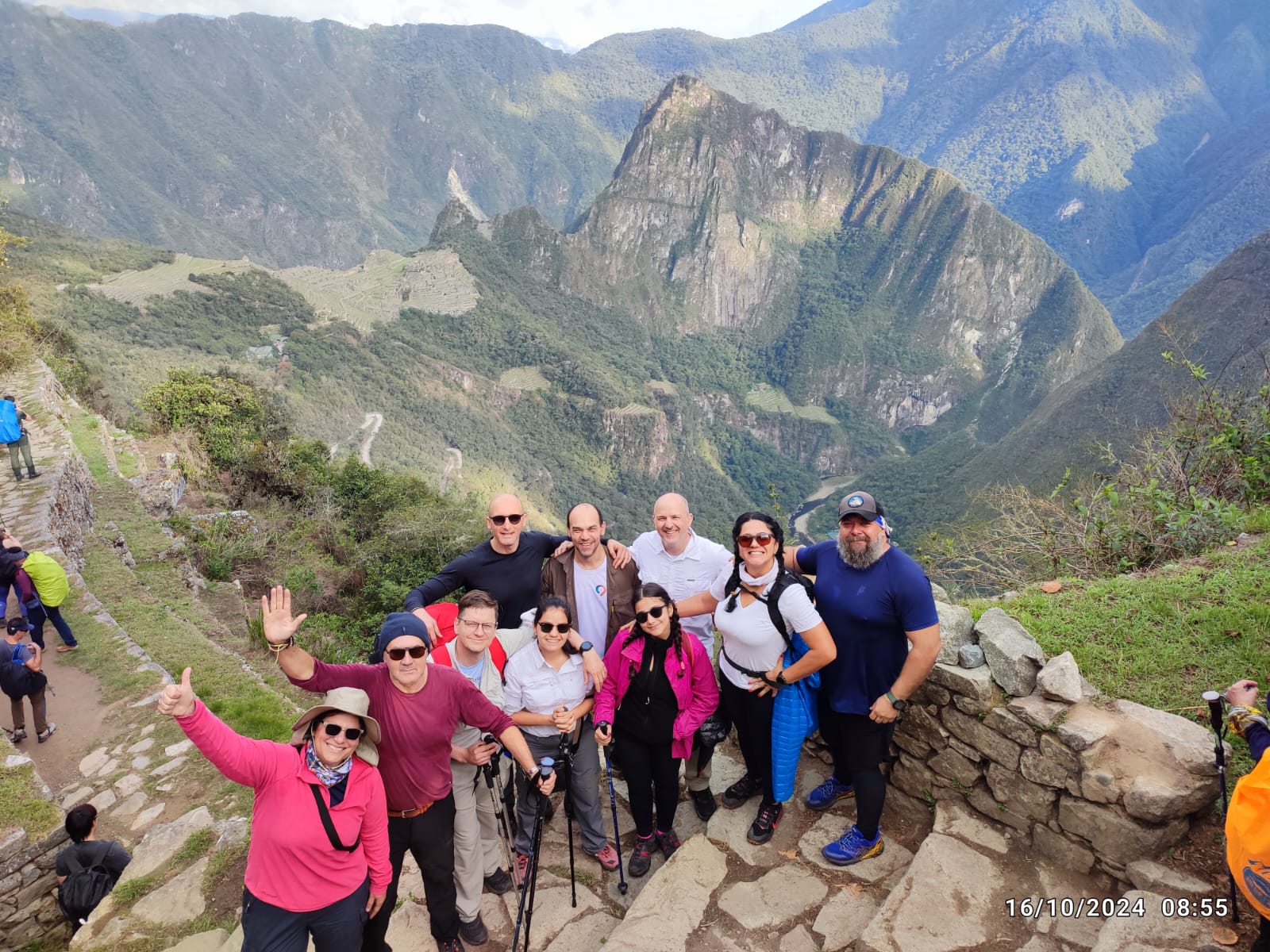
End point: The route culminates at the famous Sun Gate (Inti Punku), which offers the first panoramic view of Machu Picchu.
Total distance of the Inca Trail to Machu Picchu 4 days
The 4-day, 3-night Inca Trail is the most popular route to Machu Picchu, covering approximately 45 kilometres (28 Miles). Here are the main details:
The 4-day, 3-night Inca Trail is the most popular route to Machu Picchu, covering approximately 45 kilometers (28 miles). Here are the main details:
Day 1: 12 km
*Km 82 to Wayllabamba.
*Altitude: 2,800m to 3,000m.
Day 2: 12 km
*Wayllabamba to Pacaymayo.
*Highest point: 4,215m (Warmiwañusca Pass).
Day 3: 15 km.
*Pacaymayo to Wiñaywayna.
*Includes sites archaeological.
Day 4: 6 km.
*Wiñaywayna to Machu Picchu.
*Final altitude: 2,430m.
Main characteristics:
- Total gradient: 1,785 meters.
- Average time: 6-7 hours/day
- Terrain: Inca cobblestones and trails.
- Highest point: 4,215m.
When is the best time to go?
*Dry season: April to October
*Best weather: June to August
*Rainy season: November to March
*February: closed for maintenance
How high is the hike?
*Highest point: 4,215m (Warmiwañusca).
*Start: 2,800m
*Machu Picchu: 2,430m
*Campsites: between 3,000-3,600m.
Do I need to acclimatize?
Yes, at least 2-3 days in Cusco and we recommend that you take previous hikes, such as the City Tour, Sacred Valley. You should also stay constantly hydrated and avoid alcohol before and during
Is a reservation required several months in advance?
Yes, reservations for the Inca Trail are very strict and require advance planning. Here are the important details:
Booking Process:
*It is recommended to book 6-8 months in advance, especially for high season (May-September).
*For some popular months like July and August, it is even recommended to book up to 1 year in advance.
Permits sell out very quickly, especially during the dry season Only 500 people are allowed per day (including support staff)
Yes, the limit of 500 people per day on the Inca Trail is strictly regulated.
May I explain why?
Distribution of the 500 daily permits:
*Approximately 200 tourists
*About 300 support staff:
*Official guides-
*Porters (carry camping equipment, food, etc.)-
*Cooks
*Maintenance staff-
Can I cancel or change the date?
*No date changes allowed
*No refunds
*Permits are personal
*Cancellation insurance recommended.
What is the difficulty level of the 4-day Machu Picchu Inca Trail?
The 4-day Machu Picchu Inca Trail is considered moderate to challenging. I will explain the main aspects that determine its difficulty:
Physical aspects:
*Total distance: approximately 45 km
*Altitude: the trail ranges between 2,000 and 4,200 meters above sea level
*The highest point is the Warmiwañusca Pass (Dead Woman’s Pass) at 4,215m
Main challenges:
*Significant altitude changes
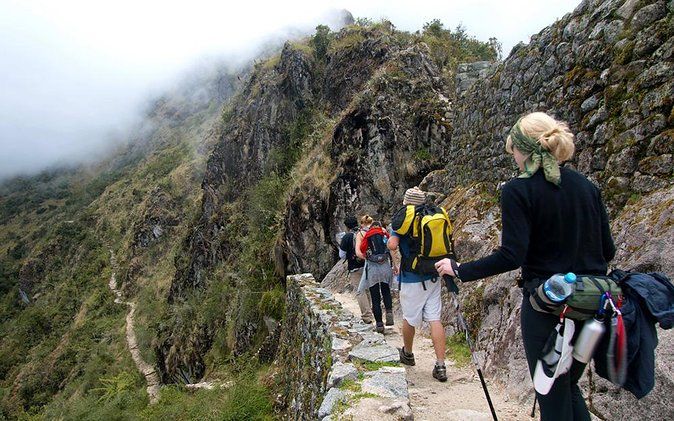
*Steep Inca stone stairs
*Uneven terrain
*Possible altitude sickness (soroche)
*Variable weather conditions
Typical distribution by days:
Day 1: Relatively easy, acclimatization
Day 2: The most challenging, includes the climb to the highest pass
Day 3: Moderate, mainly downhill
Day 4: Lighter, arrival at Machu Picchu
The best season to do the Inca Trail to Machu Picchu
Optimal season (dry) – April to October
This time is characterized by the best weather and the greatest meteorological stability, with predominantly sunny days and cold nights. Rainfall is scarce, which allows for better visibility of the landscape and safer conditions for trekking.
The most notable months are:
June, July and August
During these months the weather is exceptionally stable, with clear skies that allow for excellent views. Daytime temperatures range between 20-25°C, while at night they can drop to 0-5°C. During this time there is a high demand for reservations due to the favorable conditions.
What is the maximum altitude on the Inca Trail?
The highest point is the Dead Woman’s Pass (Warmiwañusca), at about 4,215 meters above sea level.
What equipment do I need to bring?
*The maximum weight of luggage allowed on the Inca Trail is 5 kilos per person
*Extra clothing
*Sunglasses.
*Toiletries
*Trekking boots
*Waterproof clothing
*Sleeping bag
*Small daypack
*Warm, waterproof clothing
*Sunscreen and repellent
*Water purifier
* It is recommended to bring water
*A flashlight and camera are essential
Are there toilets and showers along the way?
There are basic toilets at some campsites, but no showers. In general, the conditions are quite rustic.
What alternatives are there if I can’t find availability for the Inca Trail?
If you can’t find availability for the 4-day Inca Trail, there are several excellent alternatives to get to Machu Picchu. Some routes offer different experiences, passing through incredible landscapes and archaeological sites, and may also be less demanding in terms of permits and availability.
- Short Inca Trail (2 Days / 1 Night) (Recommended)
This is a shortened version of the classic Inca Trail. It starts at kilometer 104 of the railway between Cusco and the viallge of Aguas Calientes.
On this one-day hike, you pass the Wiñay Wayna archaeological site and reach Machu Picchu through the Puerta del Sol, similar to the classic Inca Trail experience.
Ideal for those who have less time or prefer a less demanding hike.
- Salkantay Route (5 Days / 4 Nights) (Recommended)
This route is famous for its varied landscapes, from snow-capped mountains to the high jungle. It includes the passage of the imposing Salkantay snow-capped mountain. It is one of the most popular routes after the Inca Trail.
It ends in the viallge of the Aguas Calientes, from where you climb to Machu Picchu.
- Lares trek Route (4 Days / 3 Nights) (Recommended)
This is a less-traveled route, ideal for those seeking a cultural experience.
It passes through Andean communities and offers the opportunity to interact with local inhabitants and learn about their customs.
The route ends in the Sacred Valley, and then you take a train from Ollantaytambo to Aguas Calientes village to reach Machu Picchu.
It is less demanding than other mountain routes.
- Sacred Valley Route by Train
This is the ideal option for those who want an alternative without long walks. You can explore the Sacred Valley (Pisac, Ollantaytambo and other archaeological sites) and then take the train from Ollantaytambo or Urubamba to Aguas Calientes.
From Aguas Calientes, you can take a bus that will take you directly to Machu Picchu.
- Inca Jungle Trail (4 Days / 3 Nights)
This is an adventurous option that combines mountain biking, hiking, and extreme sports options such as rafting and ziplining.
The route takes travelers through the high jungle and ends in Aguas Calientes.
From there, you can visit Machu Picchu on the last day. It is a dynamic and popular alternative among those looking for varied activities instead of a traditional hike.
Temperature: can vary between -5°C and 28°C
Important:
*The road closes in February for maintenance
*Reservations can be made through authorized tourism agencies.
*It is recommended to verify that the agency is officially licensed.
*Confirm all services included in the package.
From Our Gallery
Our Gallery